
Wise Living in a Crooked Generation
Psalm 37
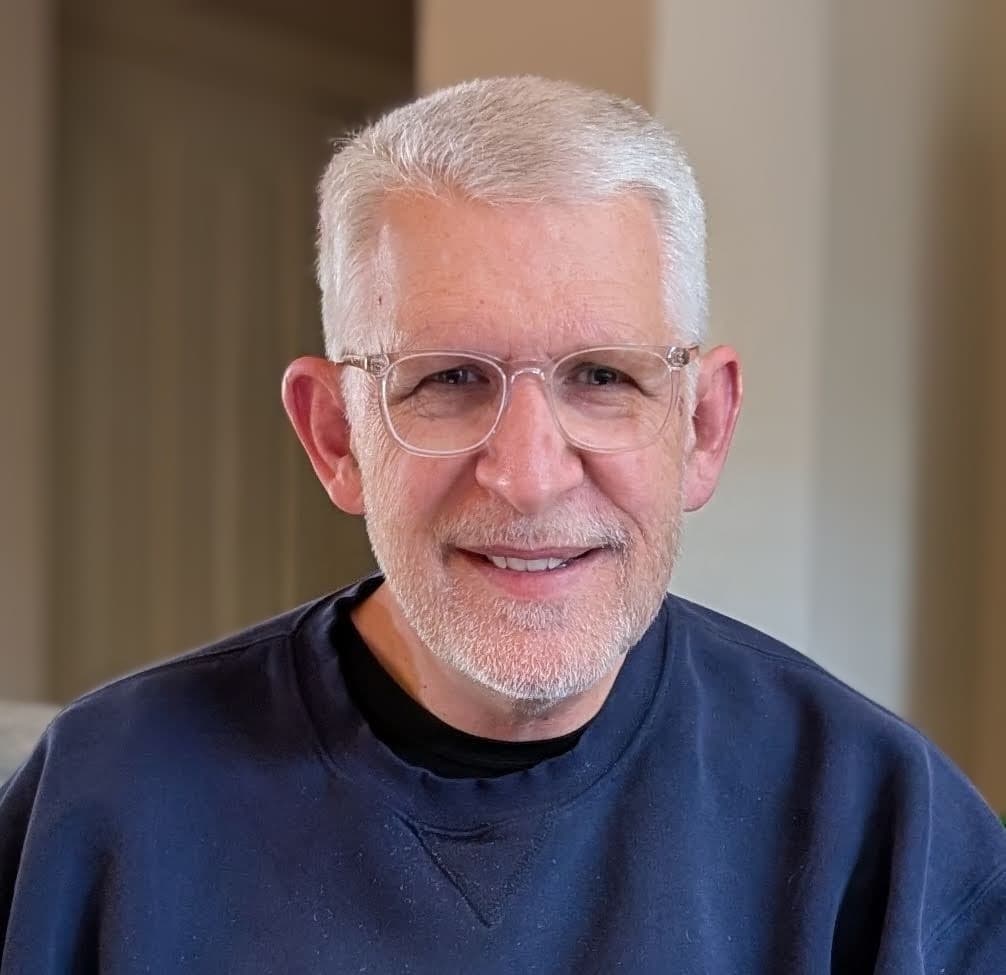
Discover timeless wisdom from David in Psalm 37, encouraging us to rise above fear and envy, trusting that God’s faithful guidance will lead us through life's challenges.
You'll notice on the screen that I used a title for this chapter in the Psalms, Wise Living in a Crooked Generation, because this is a really interesting Psalm from the standpoint of David just giving it to us as a way of expressing his experience in life. David was a man who only lived to the age of 70, which today we don't consider that terribly old. And yet the Bible says that, he died old and full of years. (1 Chronicles 29:28) And I believe that there is something that goes beyond just the passage of time or the number of years to fill up a person's life. I mean you can fill up your life with just years, but David was a man who filled up his life with experiences. He's a man who… He lived a pretty amazing life and it wasn't a perfect one by any stretch of the imagination, but it was a full one. And he lived some pretty challenging circumstances. I mean, I don't know how many of you have had someone literally hunting you down to kill you. David, we think he ran for his life somewhere between 10 and 13 years from king Saul, who wanted to end his life. You learn a lot when you go through those kinds of difficulties. Can you imagine what it would be like to just take a walk with a guy like David? To have him come alongside you and just say, hey, come on, just walk with me, let me let me share with you some advice that I want to give you for how to live your life. Because David understood that even though the circumstances may be different, and they certainly are, I mean, my life doesn't resemble David's in any way, shape, or form, except I think, our love for the Lord. That’s about the only thing we have in common. But the things that he faced, the temptations, the challenges, the difficulties, they come in all kinds of shapes, and forms, and flavors. And we've all gone through that. And it really doesn't matter if your issues were the same as David's issues, the challenges and the temptations are the same. And so what David learned throughout the course of his life is useful for you and I to apply to our own life. And so one of the things I like about this Psalm is that David actually reveals well into the Psalm that he wrote this as an old man. In fact, in verse 25 even says, “I… (was) young, and now I'm old.” He's telling us that with the experience of years, he is speaking to us from that vantage point to make us aware of the things in our lives, which cause us to become tempted to doubt and to give into fear. You could call this a handbook for believers as you're walking through life to help you understand how to deal with challenging situations. He begins in verse 1 by simply saying this.
And then he says,
David begins by exhorting you and I not to fear those who do evil and not to envy those who do wrong. And then he even tells us why in verse 2, because they're going to be gone soon. He says, they're going to fade, even like the grass that comes, and then withers, and so forth. Their days are numbered. But you ask yourself the question, why would you and I begin to fear the evildoer? Why? Well, we obviously begin to fear because we're afraid that something is going to happen to us because of the evil that they are propagating. And we envy the wrongdoer because we desire what they have, and both of those are equally dangerous. And I want to talk about them just a little bit because I think this is…, we can read these verses here in Psalms or we can sit and meditate on them and really understand what God is saying to us. And that's what I want to do tonight. He says, don't fear the evil doer. David certainly dealt with a lot of evil in his life, we're dealing with a lot of evil today. We live in an increasingly evil world and I'm saying increasingly evil not to suggest to you that men are becoming increasingly evil, they are not. Men are as evil as they've ever been. We've always had a wicked sick heart. When we talk about evil being on the increase, what we're saying is, it's just finding a more ready audience or we're seeing more incidents of those sorts of things freely happening in our society. But make no mistake about it, we are no more evil now than we ever have been from that standpoint of what sin has done in our heart. But here's what's interesting, if you focus on that evil and some people do. If you focus on that evil, I am here to tell you, you will become increasingly fearful to the point where it will become paralyzing in your life. And I honestly discourage believers from listening to, or watching things that are going to only exacerbate their level of fear about the kind of evil that's going on in the world today. And I'm talking about different things. I mean, people tune into that, I suppose, different ways. The internet gives us a very easy way of looking into those things. But the news services, media services. Honestly, I think AM radio is about one of the most damaging things to…, talk radio, I’m talking about. One of the most damaging things to our society. I really do. When I started off in radio at the age of 15, AM radio, we used to play music on AM radio. And then for some reason that stopped sometime around the end of the 80s and they decided that AM radio was only good for talking. And boy, did they start talking. And then news talk radio took over and people get hooked on that stuff. But you know what I've noticed? And if that's you, I'm sorry, I'm not speaking anybody knowingly, but I'm here to tell you that what I see when people, when I see Christians get hooked on news, talk radio, I see them get dark. I see a darkness rise up in their hearts. I see a foreboding and I see an anger begin to well up in their souls. And honestly, I don't think it's a great idea. I'll be completely honest with you. And then to watch the news, I got to be honest with you, I stopped. I used to be a news person and I've stopped watching the news because it is just gotten so bitterly partisan. And the level of darkness and hatred is so visceral and so real that, you could you can practically reach out and touch it. I'm afraid my TV's going to blow up and so I just I don't watch it anymore. There's not there's no chance of watching real news anymore. There used to be. I remember the days, of Huntley and Brinkley and, the old news guys, that used to do their thing, and Walter Cronkite, and that sort of thing. Some of you young guys are going, Huh? But this…, back in the days when news was news, now it's just one long, partisan editorial, and it's dividing our nation. But it makes people angry, and it makes people fearful because we now have this instant way of tuning into the latest tragedy or murder. And they want to get it as grizzly as they can possibly serve it up for you. And you feed on that stuff for a while and it just really begins to take a toll on you. And we can truly become very fearful because evil is all around us. But David's advice to you and I is not to be afraid of it. And this comes from a man who lived, as I said earlier, with the relentless pursuit of evil in his rear view mirror for a long time in his life. Day and night, evil chased him down. And yet this is a man who is now putting his arm around you, taking a walk. Giving you the benefit of the years of his experience and he's saying, let me tell you what I've learned, don't be afraid of it. Don't be afraid of it. And David also goes on to caution us here not to envy those who seem to prosper through their wrongdoing. He says, don't envy the wrong doer. It's interesting, wrong is something that believers usually try to avoid, when we know that something's wrong. But when wrong starts becoming prosperous, I've noticed that sometimes we start to question whether or not it's really wrong. And we start wondering, yeah, well, upon further reflection, maybe we were a little harsh. Besides, there's money to be made and suddenly things that our parents or grandparents wouldn't have dreamed of getting involved in, because they believed it was wrong. They believed it would have been actually toxic to their Christian walk, you and I have begun to gloss over, because of the fact that, we've become envious. And you know what happens when you go down that road? What happens is compromise. We begin to compromise our walk with the Lord. Because we begin to call things that are wrong, something other than wrong. And in these first couple of verses, David is warning. He's again, giving you the benefit of his experience, putting his arm around you, going for a walk, and saying, listen, I want to warn you about two things. I want to warn you about the fear that emotionally paralyzes you, and I want to warn you about the envy that morally compromises you. Fear and envy. Instead, David counsels believers in verse 3 this way. Look at verse 3 in your Bible. It says,
Now stop there for just a moment because I want you to know that verse 3 is the answer to fearing evil. He said, listen, don't be afraid of evil. Well what are you supposed to do? Trust in the Lord. And then he goes on to say, and verse 4, is the answer to that moral compromise that comes when we begin to envy those who are wrongdoers. Instead of envying them, he says, “Delight yourself in the LORD.” Now let's look at both of these briefly again here. Instead of fearing evil, “Trust in the LORD.” Trust that God can take care of you. Even, and like I said, there is a lot of evil in this world. And the more you watch TV and the more you listen to certain radio stations, the more you're going to be highlighted by that reality. But what David says here is, no, trust the Lord. Trust that God is going to take care of you, that He is able to watch out for your safety. And then in defiance of that evil that is so prevalent in the world in which you and I live, look what he goes on to say in verse 3. He says, “and do good.” Isn't that interesting? Do good. He says, “dwell in the land.” Don't run. “Dwell in the land and (then) befriend faithfulness.” And this is really wonderful counsel from a very wise man because it's so easy for you and I to sit and just bemoan the condition of our society. Man, do we live in an evil world or what? And then David would come along and say what are you doing about it? His advice is get out there, “and do good.” When you see all that evil, when you see all that darkness, get out there and shine your light. Do something. Anybody can complain? Anybody. What are you doing about it? What are you doing to try to offset that darkness by the light that God has put in you? And rather than talking about people who are bad, David says, “…do good.” And then regarding the envy that you and I can feel for those, or for the way those who do wrong are prospering before our eyes, look what David says again in verse 4. “Delight yourself in the LORD.” Now, this is in contrast with why we are envying the wrongdoer. Why is it we envy the wrongdoer? Because we've delighted ourselves in what he's getting. That's why I envy. I look at what he's got and I envy it because I've convinced myself that the things of the world are truly worth having. I've become convinced, right? We're going to get to Psalm 73 someday, unless the Lord comes first. There's a good chance He will too. But when we get to Psalm 73, we're going to, it's a great Psalm because it's all about the godly man who looks at his neighbor, who doesn't care a snit for God, who is prospering all over the place. And the Psalmist writes about this and he goes, I don't get this. This man doesn't care about you. He boasts and brags like he's his own God, the center of his own universe, and yet he's prospering in all of his ways. And the Psalmist even goes on to admit that his feet almost slipped as he sat and looked out the window of his house and envied this man and all the blessings that he had. His kids are strong and healthy. He's got this beautiful California babe of a wife and he's, this guy has everything that supposedly a man would want and yet he doesn't give a rip about God. It'll be interesting when we get there. But that's the whole point of when we begin to envy the things of the world or the things that the world has or offers. It's because we've turned our eyes away from the blessings of the Lord. We've put them on the things of the world, and we've sat there and just looked at them for a long time. And finally, eventually our hearts say, I want that. I don't have it, but I want it. He has it. I envy him because he has that and I want that. What have I done? I'm no longer delighting myself in the Lord. I've delighted myself in the things of the world. And so David gives us this wonderful counsel and he says to you and I, here's the antidote to envy, delight yourself in the Lord. Delight yourself in the Lord. I want you to notice the promise that goes along with that there in verse 4, and “he will give you the desires of your heart.” You know what? I've heard this verse quoted out of context. And that doesn't mean to say that you can't quote some verses out of context, you can. Anything that's spoken about God, being true about Him, you can quote it out in any context you want and it's always true. But this particular verse is interesting in the sense that it's a promise about the Lord saying that, “he will give you the desires of your heart” when you delight yourself in the Lord. But that's the key right there, when you delight yourself in the Lord. You see, this is not a promise to the person who has become enamored in the things of the world. God is not promising He's going to give you the desires of your heart because you have not delighted in the Lord. You've delighted in the world and there's no promise that goes along with that. Again, this is a beautiful promise from the Lord to delight ourselves in the Lord.
And then it says, He will give us the desires of our heart. Do you know why He can do that? When we delight ourselves in Him? Because it won't hurt us. When you delight yourself in the Lord, your delights, the desires of your heart, are going to be good for you. Which is quite the opposite sometimes about the things we delight in the world. I look at things in the world and I say, I want that. And the problem is, if I were to have that, it would actually be harmful to me. But the things that I desire in the Lord aren't going to hurt me. David then goes on here, beginning in verse 5, and he's going to begin to speak of the benefit for those who choose to trust in the Lord their God. Starts this way, look at this.
You know what this means? People might ask, what is it? What does it mean to commit your way to the Lord? The Hebrew actually means, roll your plans, and everything you do over onto the Lord. Isn't that interesting?
It carries that idea of rolling something on to someone else to carry it, or to be burdened by it, if you will.
David is basically telling you and I, there is going to come a day when God will vindicate His people, and it may not be today, and it may not be tomorrow, but it will come. He says, “trust in him, and he will act.” “Trust in him and he will act.” Guys, do you understand the reason why we step out to fix our own problems when we know we should wait and trust in the Lord? It's because we don't believe He's going to act.
We don't believe what this verse says right here. It says, “trust in him and he will act.” I don't believe that a lot of the times, and so what I do is, I pray about something, and then I barrel right through and do it on my own. Right? It's as simple as that.
I haven't believed. I'm filled with unbelief. Yeah, Christians can be filled with unbelief. Born again believers can be filled with unbelief. David says, “…trust in him…”
Right? Verse 7. Here's the next one. You ready for some more tough advice from a seasoned old veteran of walking with the Lord? He says,
Instead, he says, be still before the Lord and wait for Him. And that's one of those options that's always before us as Christians. We can choose to be still, or we can choose to be active and to fix things, and to work things out in our own power and to create our own deliverance, if you will. It's always a choice. And then David begins to speak of some of the consequences of not trusting the Lord in verse 8.
He says,
Right? It winds you up in a bad place if you take anger into your own hands, wrath into your own hands. I'm going to get that guy, that's only going to end up in evil. And then he reminds you one more time. Verse 9,
Now I got to explain something here a little bit about verses 9 through 11 because you'll notice two times there David makes a promise there from the Lord that those who wait on the Lord, and those who are meek before the Lord, will inherit the land. Now that's an Old Testament promise. That's not a promise that you and I have been given. The land for you and I is probably going to mean something different than it was for the Jews, because you see they were given land. We weren't. Christians as New Testament believers were never ever given physical property. Right? In other words, we were never promised physical promise property because as we've said many times, When, especially when we got into our study of Ephesians, you remember that? We made the point that ours is a spiritual covenant, not a physical covenant. Israel entered into a physical covenant. God said, I will give you the land. Right? We entered into a spiritual covenant with God where He said, I am your treasure. Right? All your treasures are in heaven. Right? Yours are spiritual blessings. And that's what Paul talks about in Ephesians chapter 1, when he says, I want you to realize, I want you to know about all the spiritual blessings that are ours in Christ Jesus. (Ephesians 1:3)
--- When David talks here about inheriting the land, that's going to be different for you and I, but there's still going to be blessings along the way. There's still, going to be things that you and I can look for the Lord to do in our lives as we wait for Him, as we trust in Him, as we walk in the meekness of who we are in Jesus Christ. And then David continues to emphasize in verse 12 the shaky future of those who reject God and do evil. He says in verse 12,
Here's the interesting thing about these verses, verses 12 through 15. It talks about the violence that the wicked desire to visit upon the people of God. And you know what's interesting? Until the Lord comes, this will not stop. It has been going on since the beginning, ever since we see in the Bible a distinction being made between an individual who was accepted by God, and an individual who was rejected for what they brought, and I'm talking about Cain and Abel.
Ever since the beginning, those who were accepted by God were hated by those who were rejected by the Lord for whatever reason. And there was a desire in the heart of those who are rejected, to eliminate those who have been received. It's just the way of things. That's what Jesus said to you and I when he said, listen, just understand this, if the world hates you, just remember, they hated Me first.
He said, don't be surprised, when they want to take your life, when they want to smear your name, when they want to do all kinds of harm and evil. Don't be surprised by those things. That's been going on since the very beginning. The heart of man, the heart of unregenerate man, will not abide those who have been accepted by the Lord. And that's why Paul wrote to Timothy and he said, anyone who wants to live a godly life in Christ Jesus will be persecuted.
It's absolutely going to happen. There's no way around it. You want to live for Jesus? People will hate you. Why? Because you're living for Jesus. And I'm not talking about living for Jesus in a way that you're obnoxious, and rude, and other things that people hate. I'm talking about the kind of hatred that is simply going to come because you belong to the Lord. It's going to happen. ---
He goes on here. David reminds us, in these verses, that the Lord's judgment is coming. You and I are to wait for that day. And then as he moves on here into verse 16, he talks about, he comes back to this subject of what we have in this life. Wealth, things we desire from the world. And look what he says in verse 16, he says, “Better is the little that the righteous has than the abundance of many wicked. 17 For the arms of the wicked shall be broken, but the LORD upholds the righteous.” The idea, with His arms. Even if you and I do have little in comparison to the people of this world, we actually have a lot because we have the Lord. Our portion in this world may be small, depending, but the Lord is our portion. And so in that sense, we have everything, and that's what we have to remember. The Bible says that you and I have been made heirs of God and joint heirs with Christ. Which, by the way, is something that we don't even understand. We quote that verse and then everybody just sits and goes, yeah, that's really, that's cool. And I'm not saying we don't believe it, but I think we certainly can, but we don't understand it. We don't even begin to understand what it means. Or we'd be cheering like at an NFL football game when our team just scored a touchdown. What we have in the Lord is absolutely huge. But what's interesting here is that he's saying to you, even though you may not appear to have a lot, I want you to know that with the Lord, you have everything. Well, what does that take to believe that? It takes faith, doesn't it? Yeah, it takes faith. Faith is something that we have to put into practice when we don't yet have what God says is ours. When we don't yet see what God says is now ours. It's funny, when we talk about salvation, we talk about our salvation, and so I'll ask people sometimes and I'll say have you been born again? Has God given you eternal life? And sometimes people will say to me, well, I don't feel like I'm saved. And of course that's not what I asked, has nothing to do with it. Well, but I don't feel saved. Okay. But are you saved? Are you born again? See, they're looking for something they can hold on to. That's out here that they can point to and that's why Christians get sucked into all these various different doctrinal things like, oh salvation is… All you got to do is get dunked in water. Then at least I can say, see I had that, I did that. Or salvation is by X, that's why those things always become popular legalistic rules, because we love to be able to point to something. It's a, see it there, I did it. Now I know that I'm saved.
Well, that doesn't take faith. I pointed to something I did. And then I read my Bible and it says, my salvation isn't based on anything I did. It's based on what He did, and my faith in what He did. Oh, now I'm back to square one. Am I saved or not? See, the point is, our salvation is by faith. Right? Through the grace of God by faith. It is activated by faith. Do I feel saved? No. Most of the time I don't. Do I look saved? No. I think I look pretty much the same way I looked right before I got saved. How do I know? By faith. And when David talks here about how it's better for you and I to have the little that maybe God has given us, rather than the abundance of the wicked and so forth, we accept that by faith. And we walk in the peace that comes from just knowing that this is what God’s Word says. And I'm okay with it, right? Despite what the world may say. Last Sunday, Ken did a song in worship where we sang the lyrics, and now let the weak say I am strong, let the poor say I am rich. Well, that's not about positive confession. It's about speaking, the reality of my faith from the standpoint that I look this way, but this is the reality. This is the situation. This is what's really going on. This is what God’s Word told me. The voice of faith, and that's what David is challenging you and I to not let go of. And then in comparison with the brevity of the lives of the wicked, look at what he goes on in verse 18 to say. He says,
Notice that the Lord knows the days, the Lord knows the days of those who are blameless before Him. By the way, you are blameless before Him. Why? Because He blamed His Son for you. You stand blameless before the Lord, before the courts of God.
And the Bible says here that, He knows your days. He is the one who sustains you and your days will remain, because He remains, and because you are in Him. Furthermore, David says in verse 19,
David is emphasizing now the sustaining power of those who put their trust in the Lord. By contrast, verse 20, he says,
I thought about that, the glory of the pastures. I like pastures actually, you go out into a pasture and it's beautiful. There's often wildflowers and waving grasses, and stuff like that. But it's true. In the blink of an eye, it's gone. And he likens those who are contrary to the Lord that way. Further comparisons and characterizations. Verse 21.
And I really love this promise, from God’s Word. It says, even though he falls, it's not going to be irrevocable, even though he falls. And I think right away of Peter, and I think of Peter, seeing the Lord walking on the water and saying to him, Lord, if it's you, let me come to you walking on the water, and Jesus said, come. And so Peter begins to walk on the water and you know the story. He loses sight of the Lord, puts his eyes on the danger of the waves and how they're being whipped up to a frenzy by the winds. And of course, what happens? He begins to fall. He begins to sink. But what happens then? At least Peter's got the smarts to cry out to the Lord. Lord, save me. Boom! Jesus is right there holding him by the hand, lifting him up. And I think about that when I think of what David is saying here about the steps of a man being established, though he fall, the Lord will uphold him. The Lord will still uphold him. And that's because we call upon the name of the Lord even though we fall, even though we mess up. Don't ever let the enemy convince you that because you've messed up you don't have a right to call on the Lord. There are many, many Christians that I run into who have such a deep sense of personal responsibility for their actions that when they mess up, they feel like they can't go to God. And when they get themselves into trouble, they feel like they have to work out the details of getting themselves out of trouble, because you see it was their fault to begin with. What you're doing is you're applying human characteristics to the God of the universe. And He doesn't require that same standard that men require. He doesn't say to you, hey you got yourself into this, you get yourself out of this. That's something men say. The Lord God of the universe doesn't say that when we fall because of our doubt, and our issues, and our desires, and our problems, when we call upon His name, He is right there to reach out, grab us by the hand and pull us up out of the muck. That's one of the beautiful things that I love about the Lord. About the time you and I are thinking, well, let's just let him squirm for a while, that's the way men think. God reaches down and saves us. Verse 25. Here's where he says,
And what David is simply saying here is that in his lifetime, he has witnessed God's faithfulness for those who trust in Him and call upon His name. That's all he's saying. In my lifetime, when I have watched as someone truly calls upon the name of the Lord and truly trusts in the Lord and waits on Him, I've seen that God is faithful to meet their needs. I've seen God's faithfulness played out again and again. And His advice continues in verse 27 where he says, “Turn away from evil and do good; (by the way, turning away from evil, that's repentance,) so shall you dwell forever.
28 For the LORD loves justice; he will not forsake his saints. (and that’s you guys) They are preserved forever, but the children of the wicked shall be cut off.” Verse 29,
There's a wonderful scripture that talks about that out of the abundance of the heart, the mouth speaks. (Luke 6:45) And this particular passage in verse 30 speaks of the mouth of the righteous. And that's again, that's you. And it doesn't matter if you feel righteous or not, that's not the point. If I ask you, are you righteous? Your response should be biblically, I am righteous before God because of what Jesus did for me on the cross, I have inherited His righteousness. It has been imputed to me. Okay, so now, His righteousness is my righteousness so the answer is, yes, I am righteous before God. Not self-righteous, I'm Christ righteous, okay? Huge difference. As a righteous individual, the Bible says here that the righteous, that it is in keeping with your position in Christ to utter the things of the Lord, which is wisdom, to speak of wisdom, to speak of the things of God, to speak of justice, to speak of rightness. And not evil and vile things and so forth. And that's why it goes on to say in verse 31, “The law of his God is in his heart;…” That's why his mouth speaks those things. Because the Word of the Lord is in his heart. The Word of the Lord is in his heart. You know what's interesting? It's to hear somebody, to hear what comes out of somebody's mouth when they get really angry at somebody, or when somebody crosses them, or gets in their way, or does something that really offends them deeply. You know what we find out? We find out really fast what's in their heart. And they'll say things like, I didn't mean to say that. I don't know where that came from. I know where it came from. I know exactly where. When I say something I shouldn't say, I can't say. I don't know where that came from because the Bible told me where it came from. Came from my heart. Out of the abundance or the overflow of the heart, the mouth speaks. But it is proper for those who are in Christ to speak wisdom and this speaks of the importance of what we say with our mouths. Verse 32, by contrast, “The wicked watches for the righteous and seeks to put him to death.” We already talked about that. That's just the way of things. Verse 33 should start with the word, but. But, “The LORD will not abandon him to his power or let him be condemned when he is brought to trial. 34 Wait for the LORD and keep his way, and he will exalt you to inherit the land; you will look on when the wicked are cut off.” Have you ever stopped to think about that? You're going to watch the wicked being cut off. You're going to see it someday, with your own eyes. You and I are going to see it happen. We're going to watch it happen, when the judgment of the Lord takes place. We're going to be there. We're going to actually witness those things. David, again, speaking from his experience, says, “35 I have seen a wicked, ruthless man, spreading himself like a green laurel tree. 36 But he passed away, and behold, he was no more; though I sought him, he could not be found.” He says in verse 37, but “Mark (or that means to pay attention to) the blameless and behold the upright, for there is a future for the man of peace.” In other words, the Lord is going to extend his days. “38 But transgressors shall be altogether destroyed; the future of the wicked shall be cut off.” And then I love this last couple of verses here as he ends the chapter. He says, “39 The salvation of the righteous is from the LORD;…” And you've heard me say many times that the word salvation means deliverance so, don't think of this as specifically speaking of your eternal salvation. It's talking about the deliverance of the Lord. Because every day it seems like we need to be delivered from something. But how's that going to happen? “39 The salvation (or the deliverance) of the righteous is from the LORD; he is their stronghold in the time of trouble. 40 The LORD helps them and delivers them; he delivers them from the wicked and saves them, because they take refuge in him.” Why does God deliver His people? It's in those last few words, “because they take refuge in him.” That's something that should be, if you underline things in your Bible, you should underline that in your Bible. Because it doesn't say that, He saves them because they're good people. It doesn't say, He saves them because they never make mistakes. It doesn't say he saves them because they come to church, read their Bible, and pray once in a while. It says He saves them because they take refuge in Him, and that means they're trusting in Him. They're putting their hope in Him. They're putting their lives in His hands. They're literally rolling their lives into His hands and saying, Lord, you're the One. You're the One who's going to take care of me. You're the One who's going to see me through this, or I'm not going to be seen through, or it's not going to happen. I choose to trust in You. That's where we end with Psalm 37. We'll pick it up where we left off next time. Let's pray. Father, we give thanks to You and we praise You for You are our refuge. You are the Lord who delivers us in times of trouble. Forgive us, Lord, for the many times we have sought to deliver ourselves. Forgive us, Lord, for we have expressed to You the pride of our own lives by saying, I am self-sufficient and I don't need to trust in the Lord. Help us, Lord, to wait and to pray, and to trust.
And give us Lord God, the faith and confidence of knowing that what You said You will do, You will do. And I pray my Father, God, that fear would not rise up and envy would not rise up to come between our hearts and Yours. Teach us Lord God, we pray, to look to You and even though we will fail from time to time and like Peter, we'll get our eyes off You. And we'll start looking at the things that seem to threaten and we'll begin to sink. Lord remind us, that all we need to do is lift our hand to You and say, save me Lord, and You will be right there. We know that You will because You're faithful. Thank You for your incredible goodness to us. We don't deserve it, but we thank You that we are in Christ and now the recipient of such wonderful spiritual blessings. Be with us we pray and may we just take these things from this place, and meditate on them, and allow You to continue to speak to our hearts. We ask it in the name of Jesus Christ, amen.
View the formatted transcript
PDF Transcript