
The Servant of the Lord
Luke 10 (Part 1) :1-16
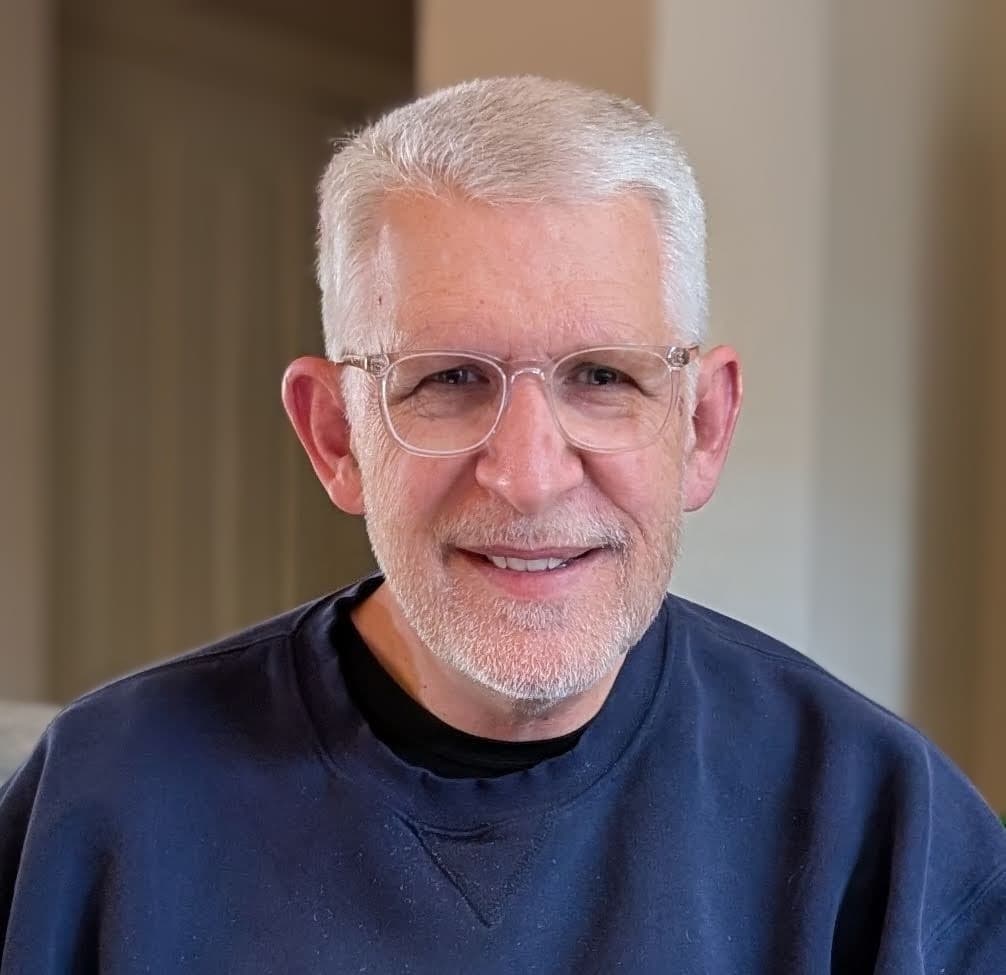
Embrace the privilege of being Christ's ambassador in a world in need. Let His message of peace and healing flow through you as you share His love and truth with others.
So Luke chapter 10, we're going to read the first 16 verses of the chapter then we're going to open up in prayer. So follow along with me as I read.
(ESV) We come to a section here in our study of the Book of Luke that is actually only found in Luke, interestingly enough. Only Luke covers the sending out of the 72, or your Bible may say 70. Although it's interesting, the information that Jesus gives, the instructions that He gives to these men is very, very similar to the instructions that are given to the 12 that we see in the other Gospels like Matthew and Mark. But as we look at these instructions this morning it's just too easy to read them and just say, well, it's interesting that Jesus told them all that stuff. But I want to look into this a little more thoroughly this morning, because I believe that we can gain some insights here related to what it means to be a servant of the Lord. We've all been given a great privilege to represent Christ in this world. The Bible says that we are ambassadors, a heady title, but we are ambassadors in this world. And that means we were given the challenge and the precious privilege of representing Him. Isn't that enough to give you the shakes? When you think about your life, and how you've represented Him thus far. It can be confusing to be honest with you. I mean this whole thing about being Jesus to this world in which we live. But I think that these verses can help us get some understanding on our calling. By the way, in case you're one of those people who've been a little unsure of your calling, maybe you've seen other people ministering and you thought, well, what’s my calling? Let me just share with you. Here's one right here. These verses we were talking about where Jesus is talking to these men about taking Him and His message, His Gospel, His light, His presence into the world. That's your calling. If you don't know anything more about your calling, you know this one. You know that you have a calling as a believer, and I'm talking to believers here. If you haven't put your faith in Jesus, this doesn't apply to you, frankly, not yet anyway. Once you do, it will, but there's some very important things that we're told here, and if you look with me in verse 2, we see that Jesus begins by instructing them, saying, “The harvest is plentiful but the laborers are few.” And that's a pretty important statement. I think there's actually two important statements. He goes on to say therefore, tells us to pray, but I'm going to take this first one first. He says, “The harvest is plentiful.” “The harvest is plentiful.” Of course, we know the word plentiful means abundant. In the Greek, it means much, it's mostly translated much. Jesus’ simple way of saying there's a lot to do. Why is that significant? Why is that important for you and I to hear that there's a lot to do? Well, the reason is because Jesus is identifying for you and I a spiritual readiness that exists in the world that, let's face it, most of the time we're oblivious to. ---
That's the fact of the matter. The truth is you and I get so wrapped up, so caught up in our lives and the drama that's going on in our families, our workplaces, our own hearts, that frankly, thinking about the spiritual receptivity of the people around us isn't something we think about very often. Let's face it, we are occupied most of the time with very worldly concerns. Paying the bills, buying clothes, fixing food. What am I going to do with my hair? Should I get Botox? And you know all these things just, by the way I've never considered that, I just want you to know that, but that's not something I don't think guys do. Well, at least normal guys, but I know I'm being very, yeah, considering myself normal, but there's so much that we do that, that so often we just don't notice. But I think a statement like this, when Jesus says to us, the harvest is plentiful, it's meant to awaken us. It's meant to awaken us to the fact that there are people living and working around us every single day, who are open and would be responsive to the Lord if we would but notice them. Do you, are you aware that people are hungry to hear about God? It's so funny. You read, I don't know how much Christian stuff you read. I almost hate to, in the sense of reading like current event type commentaries and stuff, because all people seem to want to talk about is how the millennials don't want to go to church anymore. Why are the millennials staying away from church? We can sit around, I suppose, and we can focus on what's not happening, but are you aware of what's happening? Are you aware of things that are happening where people's hearts are being touched and people are hungry for the things of the Lord? When Jesus says something to you and I like the harvest is plentiful. What does that do to you? I mean does it resonate in your heart or is it like, whatever. I got to be completely honest with you and admit that I was up until the last few years, and I’ve been pastoring a long time, but up until the last few years, I think I was oblivious to the hunger. I mean the real desire for people to hear God's Word. I was oblivious. Sue and I just got back here a few weeks ago from a pastor's conference down in southern California and we were privileged to actually go there a day before the conference began to meet with other regional leaders in the Calvary Chapel movement and they were leaders from all over the United States, and one of the things we found out is that in the last few years there have been 500 new Calvary chapels that have started which is cool.
But what some of the guys got up and started talking about was the absolute incredible revival that is going on in certain parts of the world. Did you happen to know that in places, in regions of the continent of Africa particularly in South Africa, people are coming to the Lord in droves right now? Were you aware of that? There was a guy who was telling us how they build churches for the people coming in who need a fellowship, a place to fellowship and hear the Word and they'll complete the building and on the first Sunday that they meet there are 250 people in attendance on the first Sunday, and then it just goes from there. Did you know that? I didn't know that. I wasn't aware, and then I hear about this and I'm like, wow, pulls me away from my little Ontario, Oregon, Western Treasure Valley mentality sort of a thing. You know what I mean? To say that, wow, there's things going. And then another pastor gets up and he says, do you guys know what's going on in Cuba right now? People are just crazy for the things of the Lord. They want nothing but the Word of God. And there's this revival going on in Cuba of all places. And we're all going, really? It's amazing. Have you guys looked at our YouTube channel lately? About several years ago, we decided to start putting messages up on YouTube just for you, for you guys. We thought to ourselves, it'd be nice when you, when they missed because they're sick or out of town or just being lazy and they need to hear the teaching from that week. We thought, let's put things up on YouTube and let's give people an opportunity to hear the message. That'd be good. We'll do that. And something happened. Let me show you on the screen the banner from our YouTube channel. And I don't know if you can see that print right underneath where it says Calvary Chapel, Ontario. That's the number of subscribers that our YouTube channel has. It is currently at 23,984, almost 24,000 subscribers. What does that tell you? That tells me the harvest is plentiful. That tells me there's a hunger for God's Word that goes way beyond our little fellowship.
And these are people from all over the world, and I'm getting emails from them every day telling me what God's Word is doing in their lives. And it's crazy. And it's all about what God is doing, you guys. It's not about what Calvary Chapel, Ontario is doing, okay. Please understand that, this isn't about us. This is about Him. This is what He's doing. People try to make it about us. I get notes all the time going, I live in England, but I'm going to make it to Ontario, Oregon. And I'm like, you're going to be so disappointed when you get here. It's like, they're going to go, this is it? It's not about us! It's about what He is doing, and it is just, it is so exciting. The harvest is plentiful, you guys. Jesus told us the harvest is plentiful, okay? That's a wakeup call to you and me to get out of our doldrums, to get out of the things, to shake ourselves loose from the things that are just dominating our thoughts and minds keeping us so worldly, even though we're born out of this world and into the Kingdom of God. The second statement that Jesus makes there is just as important because He challenges us to spend time praying for God to raise up people. He says, and this is important, not just pray, but look what He says. He says, “pray earnestly to the Lord of the harvest.” By the way, I love it when God is referred to as the “Lord of the harvest.” That's why I look at that almost 24,000 people on our YouTube channel, and I say that He's “the Lord of the harvest.” See, it's all about Him. It's what He's doing, but He tells us to pray and to pray earnestly, and that means sincerely it means with conviction. Do you get the impression this is up there on God's list of priorities? Pray earnestly. I mean, how many things in the Bible does God tell you to pray earnestly about right? How many things pray earnestly. Are we praying earnestly? Are we praying earnestly about the harvest? Are you? Are we together? You know what I mean? Why is it that it's so important? Well, every farmer will tell you that when it comes to the harvest, the harvest won't wait when it's ready to come in it's got to come in. When the harvest is ready you’ve got to bring it in because if you don't you'll lose it. You'll lose it to weather or wild animals or whatever. And Jesus is basically telling us here that there's a matter of timing that is going on related to the harvest and we need to be, we need to be prayerfully addressing it that way.
Jesus goes on. Look in verse 3 again. I love this. This is a pep talk Jesus gives before He sends guys out. You ready for this? “Go your way. Behold, I'm sending you out as lambs in the midst of wolves.” I'm not sure if that was meant to encourage them. It's like, yeah lambs and wolves! Let's go! It's like, huh? What? What did He just tell us? It doesn't seem like the smartest thing to do to maybe motivate somebody to, I mean would you tell somebody, hey guys, I just want to let you know before you go, you're going to get the snot beat out of you, but you know what? Hey, praise the Lord. Go for it. Ready? Go! Yeah. But, I love this about Jesus, He always tells the truth and the truth is the world hates God. And the world hates the message that you and I have to bring to it about the cross because the cross is offensive. We've heard that in other passages. But the fact that Jesus likens us here in this verse to lambs among wolves, we get a pretty good picture of the heart. It's not, He's not just talking about our situation. He's not just saying; you guys are really going to be running for your lives out there. The whole lamb among wolves picture is to talk to you and I about the kind of a heart that we should be conveying to the people of the world. We're not out there baring our teeth. We're out among the people like lambs. Yeah, we're in a violent and savage world, but we’re out there among like lambs, and He's basically telling us just as a lamb is defenseless around a pack of wolves, I'm sending you out in what appears to be a very defenseless posture in the world, because they're going to hate you. In fact, He tells us elsewhere, when they kill you, they're going to think that they're doing God a favor, but I want you to know something. This is the way I want you to go. I want you to go out as lambs. What is that a picture of? Well, it's a picture of you and I being completely dependent on Him for our protection. And that means that when they attack, we don't attack back any more than a lamb is going to attack back a wolf. You ever seen a lamb go after a wolf? It's not going to scare the wolf, and the lamb is not to go back after the wolf, regardless of how savagely they've been attacked. And though it seems crazy to you and I, that's how Jesus came. That's how Jesus came and presented Himself to the world. As a lamb. A lamb among wolves. And that's one of the reasons Jesus went on in verse 4 and following to talk about not taking anything extra along. Verse 4, “carry no money bag, no knapsack, no sandals,” no carry-on bag, right? I threw that last one in there. This is not about traveling light, you guys. This is not about being quick on their feet to move from place to place. That's not what's going on here. He's talking about trusting in the Lord. He's saying, don't bring extra stuff because God is your extra stuff. God is your extra stuff. God is your provider. Don't we love to say, I remember years ago we used to sing, anybody remember that song, Jehovah Jireh My Provider. Some of you old cronies, I shouldn't have said that, but some of you older some of you older more mature people might remember that song from years ago, Jehovah Jireh My Provider. Don't you want to start clapping? We used to sing that all the time. Not only that, we used to talk about it a lot too. Hey man, He's my Jehovah Jireh, my provider. Yeah, we talk a good fight, don't we? But just about the time Jesus sends us out the door with nothing in our hands, now we've got to start walking out that reality of what it means to trust Him, you know what I mean? It's one thing to say, He's my provider when I got, my wallet full of credit cards. You know what I mean? And I’ve got money in the bank, and I’ve got my insurance and I'm paid up on it. And, but, the Lord, He's my provider. Praise the Lord. Yeah. How about when you’ve got nothing? Jesus sends them out and he says, don't take anything extra along. Just go, cause I'm going to take care of you. Your Father is going to take care of you along the way, and I want you to experience that. Every summer we get calls from people who are passing through the area. We live on the freeway here and so there's a lot of transients. And you guys see them down at Walmart or whatever, with their signs and very few of them are actually local, they're just passing through and they call the church sometimes and they'll tell us, hey, I'm, I started off from Seattle area and I'm driving down to Texas to see my whatever and can you guys help me out with a tank of gas? And we're thinking, you're going to Texas and you want a tank of gas, that's not going to get you there. I remember the very first time I ever heard somebody ask that, I thought to myself, what good is that going to do you? I mean, usually, they're driving like some kind of a bomber car that gets about nine miles to the gallon and I'm thinking, okay, that'll get you to the border of Nevada. You ever been to Nevada? There's nothing there. And, but see, this is the way they travel. Do you know that? Do you know people do that? They leave home just knowing that they're going to beg from town to town. That's the way they literally left home. Now, I'm not suggesting to you that that's what Jesus is telling His disciples to do by not bringing anything along.
--- But although what we see in transient people is a very foolish way of traveling, it does have something in common with what Jesus is telling them to do. Both people are living by faith. It's just that the transients who call us are putting their faith in man's ability to help them along the way. Jesus is telling His disciples to put their faith in God who will provide for them along the way if they will but trust Him. And that's, of course, why Jesus taught us to pray, give us this day our daily bread. I never forget when it hit me suddenly that He didn't tell me to give me, for God to give me this week my daily bread, or this month my daily bread. As Gale Irwin used to say, if I got my daily or my monthly bread all in one day, I'd eat it all in one day. But, He told us to pray daily because He wants us to trust daily, daily, for His provision. But you and I don't know that much about that sort of a thing because we've got reserves. We’ve got stockpiles. Learning to live the way Jesus is telling those He is sending out to live is learning to trust in Jesus one day at a time. And then there's something else at the end of verse 4 I want you to look at that comes as an important reminder. He says at the very end of that verse, “…and greet no one on the road.” And that's not about being unfriendly. He is essentially telling them not to get distracted because greetings back in the Middle East were a long drawn out process. It wasn't just like here in America where we see somebody, we go, hey, how's it going? And we keep walking before and we don't expect an answer. Greeting in the Jewish cultural, sort of tradition was a big deal and it could keep you from getting where you needed to go. But what the Lord is saying here is that the work that He is sending us out to do, let me rephrase that. He is telling you and I, that the calling that you and I have received from Him is important enough for us to give it our full attention. You’ve got to remember something about distractions. We already talked about distractions a little bit earlier, but they are the favorite tool of the enemy. Remember, we talked about how we get so distracted by our life we don't even know that the harvest is abundant because we're looking at the drama. All we can see is the drama. Well, it's really a similar sort of a thing here. Hey, don't stop and talk to anybody. I gave you a job to do. And again, in the sense of you and I it means keeping the main thing. Again, I know I'm referring to this again but I guess I was impacted more by the conference in southern California than I thought. But Sue is actually sharing with me about a workshop she attended. ---
Some of you might know of Raul Ries. He pastors a church down there in Diamond Bar, California, Calvary Chapel, Golden Springs and that’s where we met for this thing. Huge auditorium. Anyway, Sue went to a workshop that was being done by his wife, Sharon Ries, who I think comes from a family of missionaries, right? Anyway, Sharon's talking to the ladies about just the work of the kingdom, and she just passes along very briefly that she's really struggling health wise. In fact, back in, it's been 10 years now, 2009 Sharon received her first diagnosis of cancer, and ever since then, she's had several surgeries, and she's had several recurrences and relapses of the cancer. It's like, it's gone, oh, it's back. And then surgery, and, oh, it looks pretty good, your numbers are good. And then it's back. And then she had a gallbladder thing, where she had to have that removed, and, it's just been one thing after the other, but the one prevailing attitude that Sharon Reese conveyed to the women in that conference was this, there's too much to do to be worried about all that. Here she was up there and she goes, oh, by the way, I think they found the cancer again in my liver, but you know what? Don't worry about that. There's things to be done. We’ve got things to be done. And we're all sitting back going, really? It's in your liver? And she's like, that's not what we're talking about. That's a distraction. That's a distraction. To you and I, that's everything. To Sharon Reese it was a distraction. I get really convicted by that kind of an attitude. I want to be less distracted by life and more focused on the work of the Kingdom. Jesus goes on, look at verse 5,
The term “son of peace” is an interesting one. It was a way, not just of expressing someone's character like they're a peaceful person, but it was a way of expressing their readiness to hear the message of the Gospel. And Jesus was communicating, in this statement, that there are going to be some people you're going to enter their home and you're going to talk to them and they're going to be able to receive what you have to say, and some aren't. And that's the essence of what He's saying here. Some people are going to receive you and some aren't. Now, this is important for you and I because we get so, we personalize so much of sharing the Lord and what we do in the kingdom, and it just gets in the way. It's just another distraction. He's basically saying, you and I can't afford to take personally how people respond to the Gospel.
It's like, hey, just speak your words, speak words of peace, and that is our message. Hey, do I have peace with God? Jesus Christ made a way to have peace with God, and so we speak a word of peace. If they're a son of peace, if their hearts are open, then great. If not, hey, you know what? It's between them and God, right? It's between them and God. It's their response, really, to the Lord, not to you. Next, Jesus says, verse 7, “and remain in the same house eating and drinking. What they provide for the laborer deserves his wages.” He's basically saying, it's okay. You're out doing work, so if they feed you and take care of you, just go ahead and accept it, humbly. He says, “Don't go from house to house. And whenever you enter a town and they receive you, eat what is set before you.” He says, don't go from house to house. First thing there is He sees they might come into a town and the first person to offer them shelter might be somebody who doesn't have a very nice house. How would it look if the servant of the Lord was hanging out there and then all of a sudden got a better offer from somebody who was wealthier and, hey I've got extra rooms in my house. I see you're staying with so and so, I think aren't you like sleeping with his kids in their room like on the floor or something? Hey, come on over to my house we’ve got 3 extra guest bedrooms. Each one has a big screen TV. Come on I'll take care of you. There's a fruit platter every morning. Jesus says, don't take the better offer because that's not the way that I want you to appear to other people because see, that looks like you're more concerned about what you can get from people than what you can give. You get it? And Jesus wants you and I to convey to people that we care about them, not about what they can do for us. The servant of the Lord ought not be characterized as somebody who's shopping around for the best accommodations. Instead, there's just an attitude of contentment with whatever. And then what He says there in verse 8, “when you enter a town and they receive, you eat what is set before you.” And this is why I could never be a missionary to China or Japan. I don't think I could eat that stuff. It says, eat whatever they put before you. I'd have to, oh, I'd have to say, do you have a burger? My sister lived in Japan for 10 years, and she used to come home and cook for us. I was a teenager at the time, and yeah, I never forget one time we had these square rice cakes with seaweed and I was like, yum and I went into the other room and I threw it away in the trash can. And I tell you, I think I've been traumatized ever since because I get the shakes just going by a Chinese restaurant. But anyway, so think very seriously when you're called to another part of the world. You’ve got to eat what's put in front of you. Seriously, though, the instruction here is meant to convey that what you're given is to be accepted as the Lord's provision, okay? Verse 9, He says, “Heal the sick and say to them, the Kingdom of God has come near to you.” And so this was their message. This was what they were to do. And they were told to give their message and heal the sick. But you’ve got to remember something. The only reason they were given the charge to heal the sick is because they were given the authority to heal the sick. You guys remember that? Listen, He doesn't give it here in Luke, but in Matthew, when Jesus sent out the 12, you'll remember reading, let me put this on the screen for you, Matthew 10:1.
And he called to him his twelve disciples (and look at this, highlighted it for you) and gave them authority over unclean spirits, to cast them out, and to heal every disease and every affliction. So the authority to do what we do has to come from the Lord. It's not our work. It's His work and it's His authority that goes along with it, and we can't forget that, okay. I hear Christians talking a lot about when we have a discussion about the gifts of the Holy Spirit, because some of the gifts of the Spirit are miraculous, and there are healing gifts and things like that, and I've heard people say in the past, well, the Lord has never done anything like that in my life, that's not my gift or something like that. I don't think that should be our attitude. I think what we ought to say is, well, the Lord's never manifested that gift in me yet, but who knows? Are you, here's the point. Are you open to receiving any gift that the Lord might give you even if it's a one-time gift, even if you use it once and never again? Are you open to that? Are you open to any of the gifts of the Spirit? What if the Lord, what if somebody just came up to you at work or something like that and told you they were sick and they said, would you please pray for me?
I know you're a Christian. I'm just, I'm wondering if you just pray for me right here, right now. Would you do it, first of all? And second of all, would you be open to the fact that God might want to do a work of healing through you? You might be the conduit for that to take place, rather than you and I saying I don't have the gift of healing. It's better for you and I just to say hey, let's see what the Lord will do hasn't happened yet, but that doesn't mean it can't happen today. So let's just let's yeah, let's pray. Let's pray. I remember years ago praying for a gal who was addicted to painkillers, and she came up at the end of the service very sheepishly waited till about everybody was gone, sat down in the front row with me and another. I was up in Washington at the time, and the worship leader and I were sitting down in the front row and we had had a long Sunday and it was exhausting and we were just sitting there just talking about the day. And we were, and we thought everybody was gone and this gal came and plopped herself down right in between us and she said, would you guys pray for me? And she started, proceeded to tell us, and she wasn't totally forthright about what she wanted prayer about. She just said she needed prayer for healing from something. And I remember feeling just this total exhaustion because we'd been praying for people, talking to people. And so I was like, okay, one more, I mean, great man of faith that I am, right? Rather than going, the Lord is going to do something huge here. I'm like, yeah, okay, let's pray. And we started praying for this gal, and suddenly she starts, she goes, she just, she takes these quick breaths. And we're both going, I mean, it's like, I think the Lord might be doing something here. Now we're praying like men of God but later on, she told us from that day forward, she was released from the addiction of prescription painkillers. You know what, though? I can't think of any other time when the Lord has really used me that way. But that's okay. That's okay. It happened. And it can happen to anybody at any time. The Lord can just, and you might least expect it. The Lord can just drop it right in your lap so, just be ready, right? His authority comes when He's ready to give it. But remember always it's His authority. It's His authority. That means you and I can't pray for somebody and see something miraculously happen and go around, with the golden hand. Anybody want to touch this hand? This is the golden hand. No. It's His authority, not yours. Right? Very, very important to keep that in mind.
--- Then Jesus gives direction for those times when people spurn the Gospel. Verse 10, He says, “But whenever you enter a town and they do not receive you, go into its streets and say, even the dust of your town that clings to our feet, we wipe off against you. Nevertheless, know this, that the Kingdom of God has come near. I tell you, it will be more bearable on that day for Sodom than for that time.” You guys remember Sodom, right? Nasty stuff going on at Sodom. It's where we get our word Sodomite. Jesus said, it'll be more bearable for Sodom than it was for the towns that those disciples went into and accomplished the work of the Lord. Wow. But Jesus says, if they don't accept you, I want you to go through this symbolic thing, this illustration of wiping the dust from their town off your feet. And the point of that is to emphasize the gravity of rejecting Jesus, because ultimately, as He said, they're not rejecting you, they're rejecting me. That's the whole point. This act was to be done in response to the hardness of the people's hearts, but it's never to come from an attitude, from our perspective of annoyance, or anger, or frustration with people. In other words, God didn't give you and I permission to wipe the dust off our feet so that we can go, hey, you forget you man! Brought you the Gospel, you didn't want it. Yeah. Well, enough. That's not the attitude. That's not what Jesus is encouraging us to do. Please remember God wants all people to be saved. And frankly, it's the worst of tragedies when they reject the message of hope and life that is ours in Jesus. But I'm going to bring up one more thing about the conference we went to. I was so impressed by the prayers of pastor Mike McIntosh, who pastors down in San Diego, because he was talking, he was praying for the time that we have left as the church to reach this lost generation. And I've heard a lot of people pray in the past but there was something about his prayer that really moved me because he was begging God to give more time. He was recognizing and acknowledging the fact that people are under judgment and they deserve judgment. And he was saying it just flat out. I know these people deserve judgment, but God, please, I beg of you, please give them more time so that we can get out and tell them about what Jesus did on the cross. And something about that prayer, I thought to myself, that's the heart of God. That's the heart of God. Made me ask myself the question, do I have a heart for the lost? I mean, do I care? Do I care, or am I just satisfied that I'm going to heaven, got my fire insurance.
You guys, that's between you and God, whatever. And here's this pastor up there begging the Lord for more time. He says, Lord, I know you're going to come soon, but please, please give us a little more time so that we can share with these people. So you see this whole shaking the dust off our feet is not about being angry or getting back at people. It's about talking about, it's expressing the seriousness of what it means to reject God, and it's communicating to people that there's a day of reckoning coming. There's a day of reckoning that is fast approaching and that's what He talks about in these last verses. We'll end with this. He says, “Woe to you, Chorazin! Woe to you, Bethsaida!” He begins to talk about these towns, and He says, if the things that were done in you had been done in Tyre and Sidon. You guys know that Tyre and Sidon were not Jewish communities. They were Phoenician cities. Tyre and Sidon is where Jezebel came from back in the Old Testament, right. They came up with Baal worship in Phoenicia. They thought it up. And yet Jesus says here, it's going to be better for them on the day of judgment than it is for these towns that you came into and showed the power of God. That's pretty amazing. And then He says in verse 15, “and you Capernaum.” Why does He highlight Capernaum? Because that was largely his headquarters for a long period of time during His ministry. The Son of God lived in Capernaum and ministered out of that city. And He says, are you going to be exalted to the heavens? No, because you didn't soften your heart. You didn't receive. In fact, you rejected. And then Jesus ended with these words. Verse 16, “The one who hears you, hears me. The one who rejects you, rejects me.” And He's telling us here that when you and I experience what appears to be success, the people are just responding to Jesus. People can I say that again? When we experience what appears to be success, it's not ours. It's His. It's His success. And when we experience what appears to be failure and rejection, they're not rejecting you. They're rejecting Him. And that's what He says here. And when they reject Him, they're rejecting God, the Father. ---
View the formatted transcript
PDF Transcript