
Faith and Power to Endure with Joy
Colossians 1 (Part 1) :1-12
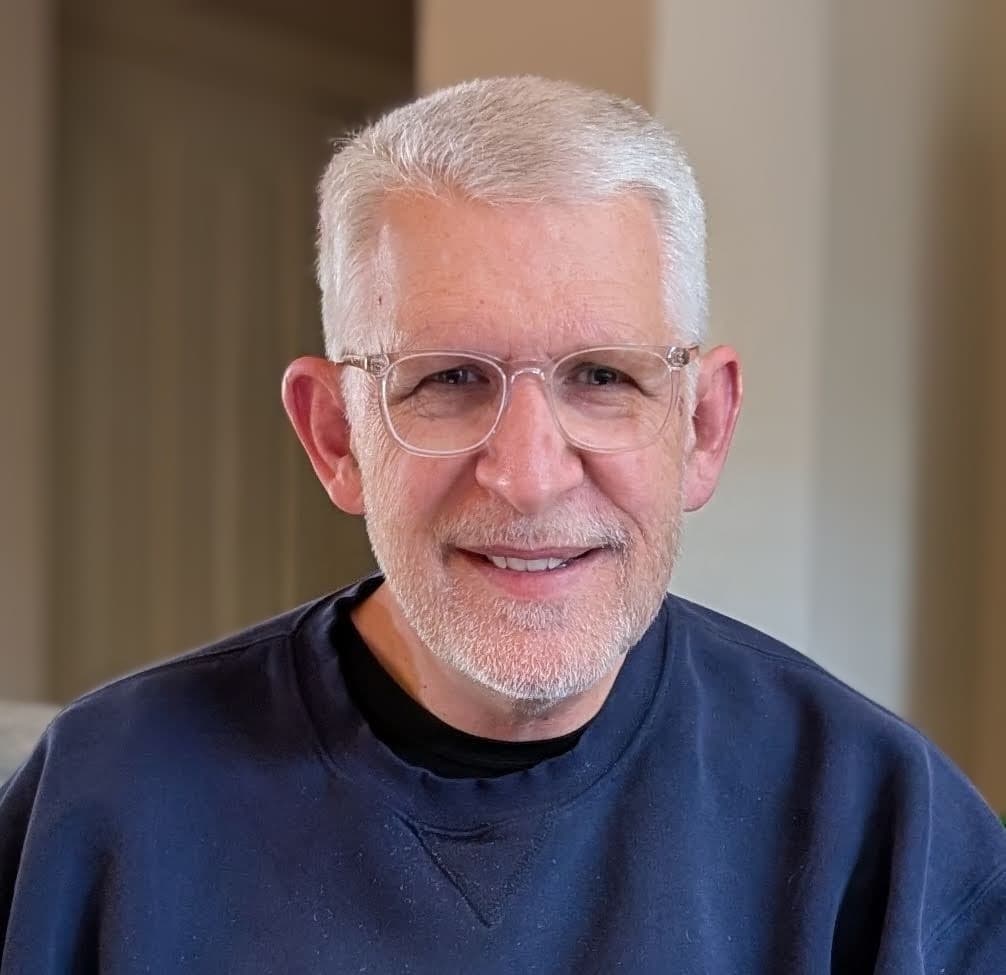
Embrace the hope and love that come from faith in Christ, as we seek to grow in wisdom and joy, empowered by God’s strength to endure life's challenges together.
Colossians, Chapter 1. It says:
We're going to stop there. Let's open up in prayer. Father God, as we dig into Your Word this morning, O God, I pray that You would open our hearts. I pray that You would give us a heart of understanding. I pray that You would give us spiritual ears to hear and eyes to see. Father, I pray that we would see in Your Word what You want to show us and that we would have the strength from You to apply it to our lives. Be with us, we pray, Father, in Jesus’ precious name, amen. Amen. If you were to travel about 100 miles due east from Ephesus you would eventually run into a small and, at that time, relatively unimportant town called Colossae. And along with Ephesus, Colossae belonged to the Roman province of Asia, joined also by the cities of Laodicea and Hierapolis. ---
Now the Apostle Paul wrote this letter to a group of Christians who had been brought to faith by a man named Epaphras, whom Paul names in verse 7 of this first chapter. He was probably from Colossae originally, and very possibly could have come to Christ himself during Paul's extended and very fruitful time of ministry that went on in Ephesus. But you will notice that this letter begins as letters began in those days by giving the name of the sender. Paul identifies himself at the outset of the letter, saying, “Paul, an apostle of Christ Jesus by the will of God.” And this is a very common way that Paul identifies himself. Paul wanted his audience to understand that his position as an apostle was not self-appointed. There are people who are in the ministry who are self-appointed. They believe they have a calling. It has never been confirmed outside of their own heart and mind. No one else ever confirmed it. The Lord never confirmed it through others or anything else. Paul wanted his readers to know that was not his situation. He was an apostle by the will of God. And that means Paul had been called. And he had been sent by Jesus Christ Himself to be the Lord's authorized agent to declare the Gospel and to establish local fellowships in the towns and cities. In fact, the word “apostle” in the Greek basically carries that idea of authority, as if someone has been given authorization to go forth in the name of someone else. The word apostle literally means, “one sent forth with authority.” Now I know, because I hear from people in other parts of the world where the title Apostle is actually quite popular. It is used in many churches, but, like so many titles that we use today in the Body of Christ, I fear that the original meaning of the title Apostle is no longer true to its biblical definition, because the Bible mentions apostles, referring to those who were specifically chosen by Jesus. And then there were apostles in the more general sense. We have what we call the Apostles of the Lamb. We refer to those men that Jesus chose, specifically handpicked, as Apostles of the Lamb. The more general title of apostle is given to men like Barnabas, even Timothy, who went out with Paul and were involved in that apostolic ministry of being sent out, establishing churches, establishing leaders, and that sort of thing. Someone actually wrote me recently asking the very simple question, are there apostles still today? Paul talks about these leadership ministries that are given to the church in the book of Ephesians. He says there are apostles and prophets and evangelists and pastor/teachers (Eph. 4:11). And so, this person wrote and said, is that something that is still going on in the church today? If we are going to abide by the original definitions of these different ministry giftings that are given to us in the Bible, frankly, the closest thing that we have to an apostle today would be a missionary, because most missionaries are sent out, and they are given authority by a local body, or sometimes even by a group of churches, to go out to proclaim the Gospel, just like Paul did. And if they are able to, establish local fellowships; but usually apostles, or excuse me, missionaries don't stick around after a church has been established. They will go on to another town and start another church proclaiming the Gospel, and so forth. And they will bring pastors in to pastor the flock and shepherd and teach, and so forth. But before I move on, I just have to say that I think that any movement that is going on within the Christian church to restore the original position and authority of Apostle, I would have to look upon with some concern. And the reason I say that is because I think that the original role of Apostle, as it is laid out in the Word, is one of authority that we really don't see today in the Body of Christ, from the standpoint of these men being able to write letters that we would consider to be the Word of God, literally Scripture. That is a door that the Lord has closed. And so I am not necessarily opposed to somebody being called an apostle if they are doing that work of being sent out, proclaiming the Gospel, and starting churches. I don't think that is a problem at all. Unfortunately, I don't think that is how it is necessarily being used today. I also want you to notice here, as Paul is describing himself in this letter, that he refers to himself as “an apostle of Christ Jesus.” Did you notice that? A very small word, “of.” Have you ever looked up the definition of the word “of”? We use it all the time, but it is actually a very important word because it indicates an association that speaks of belonging. For example, before the Apostle Paul became the Apostle Paul, he was Saul of Tarsus. And that is how he was referred, because he belonged to Tarsus from the standpoint that he was raised there. That is where he grew up. So he was Saul of Tarsus. But now his identification has changed. He is no longer Saul of Tarsus; he is Paul, an apostle of Christ Jesus. He belongs to Jesus. And that identification is critical going forth with this letter to establish his authority to do what he is going to do as he writes this letter. Because you see, as we get into the letter that is Colossians, we are going to find that Paul is going to be dealing with these people as a leader would deal with a flock that is under their care. He is going to shepherd these people in the area of some corrective statements that are necessary. So, in order to bring that correction, it is important that Paul, from the get-go, establish the fact that he is associated with Jesus Christ. His calling is from Jesus Christ, and so forth. And I like this. I like to read Paul saying, “Paul, an apostle of Christ Jesus,” because there is a notion that has kind of crept into the Christian church over the centuries that sees leaders such as pastors, like I am a pastor, but it sees us “of the people.” In other words, I am Pastor Paul of Life Bible Ministry, as if I am of the people. And I am truly connected to the people that attend Life Bible Ministry. But I am a pastor of Jesus Christ, and that is an important distinction, because what it means is my calling and my ministry is connected to Him. My calling and my ministry are not connected specifically to the people. It is connected to Jesus Christ. And here is why that is important to understand. And this is what we have gotten backwards. If a man's calling is of the people, then when it comes time to bring correction, like Paul is going to do in this letter and like he did in other letters, like 1 and 2 Corinthians, and Galatians, and so forth, when you begin to bring that correction, some of the people could easily say, hey, wait a second here, the only reason that you are a pastor in this church is because we made you a pastor. You are of us, so you better watch what you say, or you might not be a pastor anymore. You see what I'm saying? When somebody is in a ministry and their leadership gifting is of the people, the people could just as easily shut it down if they don't like what you are saying. So Paul is establishing a very important truth as he gets into this letter, because he is going to have to bring some correction. He is saying, brothers and sisters in Christ, living in Colossae, my name is Paul, and I am an apostle of Christ Jesus. And my calling is not my own. I did not thrust myself into the ministry. The Lord came to me. The Lord revealed Himself to me. The Lord gave me this position. And now I speak with the authorization that He has given. Do you see the difference that makes? I hope that is an understandable thing. So, Paul was an apostle of Jesus Christ. And that means if the people didn't like what he said, they weren't rejecting him. They were rejecting the One who had called him into the ministry. Now what Paul is going to be doing in this letter is he is going to be addressing some thinking and beliefs in the church there in Colossae that had gotten askew. There were some wrong ideas and wrong beliefs. But you know what is interesting about this letter? Paul never comes out and actually says, here's the problem, like he does in the book of Galatians. He comes out and specifically tells them, here is what is going on. You guys are listening to Judaizers, legalists, who are trying to convince you to be circumcised to take on the law of Moses, and then he begins to address that. Now in the book, in this letter to the Colossians, Paul is not so specific about the problems that they were having there in the church. What he is specific about is the solution. And what he does in this letter–and this is why I love the book of Colossians so much– is that he doesn't spend a whole lot of time talking about the problem. What he does is he talks about what it will take to solve the problem. And what he presents to them is, knowing Jesus Christ. And I love that. And honestly, it is incredible how simply knowing Christ, knowing Him better, can solve so many potential problems. And Paul is going to do that. He is going to do it powerfully in this letter. Now, you will notice at the end of verse 1, Paul also mentions the fact that Timothy was with him when he wrote the letter, and then the next part of the letter speaks of the recipients. He says, 2To the saints and faithful brothers in Christ at Colossae, and the word “saints” is the Greek word hagios. Many of you know that. It means holy one. But the word holy means set apart, so saints literally means a “set apart one,” if you will. A saint is a set apart one. Set apart. Now, despite what you may have been taught, every single Christian is a saint from a biblical definition. If you are in Christ today, if you believe Jesus died for you on the cross, and you have accepted His death in a personal way, and you have appropriated by faith the forgiveness of sins and the new life that He offers, the Bible calls you a saint. You are a set apart one. And that is pretty cool, isn't it? And so the word saint is synonymous with believer, or as Paul calls the people there in Colossae, the faithful brethren. And then comes what is to Paul a typical greeting, “Grace to you,” he says, “and peace from God our Father.” This was a common thing that Paul would include in his letters, a wish for grace and peace in the lives of those to whom he was writing. Grace is God's favor that is unearned. In other words, you didn't do anything to deserve it. And peace is the result of knowing grace. And that is why in Paul's greetings, grace always comes before peace, because peace always follows the knowledge of God's grace. We will talk more about that in a bit. Verse 3. Verses 3 through 5, Paul is going to tell the Colossians that they are on his regular prayer list, his short list of things to pray about. He says in verse 3,
4since we heard of your faith in Christ Jesus and of the love that you have for all the saints, 5because of the hope laid up for you in heaven.” And Paul is saying here that when I pray, and I begin just to lift you guys before the Lord, it always starts with thanksgiving. I always begin my prayer time by just saying, oh God, thank You so much for the work You've done in the hearts of the believers in Colossae, because You have caused them, Lord, to have such a genuine love. And that was something that just delighted Paul. He saw their love.
And he saw that as a true sign of the transformation that God had accomplished in their hearts. And did you notice the three key words that are in these verses? Look with me again starting there in verse 4. He says, “4Since we heard of your (what) faith in Christ Jesus and of the love that you have for all the saints, because of the hope laid up for you.” Faith, hope, and love– it is a fairly familiar triad with the Apostle Paul.
You will remember he told the Corinthians about those things, and he went on to say that the greatest of the three is love . (1 Corinthians 13:13). And this was obviously a common teaching among the believers because Paul says here– we are in the middle of verse 5– he says, “5Of this you have heard before (in other words, you have been taught this) in the word of the truth, the gospel.” You know all about faith, hope, and love because you have been taught those things. And he talks about that Gospel which came to them is bearing fruit among them and is in fact bearing fruit wherever it is being proclaimed.
Isn't it wonderful to know that the Gospel is still bearing fruit? Isn't that cool? Just like Paul was talking about the bearing of fruit from the Gospel, we are still seeing that today when it gets proclaimed and told and shared with people. Now I want you to notice what he says there at the end of verse 6. He is talking about how the Gospel is increasing, “bearing fruit…
as it also does among you (he says), since the day you heard it (and then, look at this last line), and understood the grace of God in truth.” I want you to consider highlighting, underlining, or just taking note of that last phrase, “(when you) understood (he says) the grace of God in truth.” When you understood the grace of God in truth. Let me ask you a question: Have you understood the grace of God in truth? I really hope you have, but I think you might be shocked to find out how many people who are believers in Christ have stumbled in some way, shape, or form over the idea of grace.
They have missed it. They missed grace. And it is something we have to be careful not to miss. Let me show you a passage from Hebrews, Chapter 12. And this says it very simply.
The writer of Hebrews says:
If I show you that statement in two other translations, it gives us some interesting kind of dimension. From the New American Standard Bible, it says,
And from the 1984 revision of the NIV, it says,
This is a strong exhortation in the Word. Don't miss it. But did you notice in those three translations from the ESV, the New American Standard Bible, and the NIV, there is something that all of them translate exactly the same, and those are the words, “See to it.” See to it. Now, it is interesting in the Greek, that is just one single word. And I won't pronounce it for you, but it is an action word. It is a verb. And it means, “to take charge; to look after something with diligence and persistent effort.” That is what the writer of Hebrews is saying about grace and not missing it. He says, take action. He says, take charge to look after this whole idea of grace so as not to miss it. Makes it sound important, doesn't it? It is very important, more than you know, because Christians, to miss the grace of God is to miss all that gives us hope and all that, frankly, frees us from the bondage of being on a performance track with God.
Oh, I hear so from so many Christians who are stuck in a cycle of trying to please God through personal effort. And believe me, people, it can creep in so easily, even if you are not a person who originally stumbled over the grace of God. As life goes on, it can happen. There is a belief that is all too common among many believers that, if they can just live their lives according to a set of rules and regulations, if they can regulate their lives in such a way that they believe is pleasing to God, then that will then earn them the right to be able to come and ask for certain things in prayer. Let me ask you a question. Have you ever sinned and then felt unworthy to go to God and to ask for something in prayer, even forgiveness? Have you ever sinned and then thought to yourself, I can't ask for forgiveness because I don't deserve to be forgiven. If that thought has ever gone through your heart or your mind, that is missing the grace of God. That is being on a performance track. That is basically saying I have to earn the right to be able to go to God and ask for things. But that is what it means to miss the grace of God. And when we put ourselves on that performance track, it is possible for a short period of time to have a sense of accomplishment and to feel even a temporary sense of joy from having kept the rules for a period of time. But the problem is, you are going to fail eventually. And when you do fail, and we always do fail, that good feeling that you had for a short time because you were keeping the rules for a day or so, or two, that good feeling is then replaced with feelings of total failure, and disappointment, and shame, and regret. And you realize that you have missed the mark. But instead of throwing yourself upon the mercy of God and crying out to Him for the power to conquer the sinful flesh, people who are on a performance track, they just focus on their own effort and they say things to God like, I'm going to try harder. They will even make promises to God and say, I'm never going to do that again. I promise you, God. I am never going to sin like that again. The problem is, what they are doing is, they are missing the entire point of Christ's redemptive work. They are missing it, especially His work on the cross. You see, Christians, Jesus died to set us free from the bondage of human effort as a means of being accepted by Him. We are not accepted by God because we are good, or because we keep the rules, or do good things. And what we find is that, in the place of human effort, we find grace. And grace is God's favor apart from human effort. It is undeserved. I don't deserve– I think it pleases God when we come to Him and we say,-- Lord, I don't deserve Your forgiveness, but I ask for it nonetheless, because You are a God of grace and mercy. I don't deserve to have You help me out with my life, my marriage, with my children. I don't deserve that. But I come to You, and I ask You to do this work in my life because You are a God of grace, and You give favor where it is undeserved. I honestly think that that pleases the Lord. Now I understand it is a hard thing for many people to get past this idea of feeling unworthy and still going to God and asking for things. I get it. And the reason it is hard for people is because they know they don't deserve it, and they have been perhaps raised in a home where you had to earn it. You have to earn what you have. And that is why grace can be a challenge. But you know what? That is where humility comes in. The humility to ask, even though we know we don't deserve it. God, I'm asking You for help. I don't deserve it, but I'm asking You because You are a God of grace. And that is where grace hits us where it hurts the most. Right square in our human pride. And that is what grace does. You have to humble yourself to cry out to God and ask for grace. I don't deserve what I'm asking of You, Lord. But I'm asking it nonetheless. I'm humbling myself to ask. So important. But let me just tell you, when a person finally stops struggling and finally lays down their human effort, and they say, I can't do this, and they accept the grace of God, they discover a peace with God that words cannot describe. And I just really hope and pray that you have discovered that grace. If you haven't, if you have not discovered that peace with God that comes from walking in grace, then I want to encourage you to just come to the Lord and say, I need to understand Your grace. Teach me grace. Teach me about favor apart from what I've earned. And help me to humble myself to come and ask. And it is that grace that the Colossians learned about. Look what Paul says in verse 7. He says,
8and has made known to us your love in the Spirit.” And we are going to learn later in this letter that Epaphras is most likely from Colossae, and the man who first shared the Gospel with them. Paul goes on. He says in verse 9,
10so as to walk in a manner worthy of the Lord, fully pleasing to him: bearing fruit in every good work and increasing in the knowledge of God.” Oh, these are great verses. And as we read through them, we see what was important to the Apostle Paul. As he is talking to the Christians in Colossae, he is explaining what is important to him by telling them how he is praying for them. He says, in fact, we haven't ceased to pray for you. And I want you to look. I'll put on the screen these five things that Paul is praying for them about. That they would be… ● Filled with the knowledge of God’s will (spiritual wisdom and understanding) ● Able to walk in a manner worthy of their identification with Christ ● Able to walk in a manner pleasing to God ● Able to bear fruit in every good work ● Able to increase in the knowledge of God He is praying for them that they would be filled with the knowledge of God's will, and he tells them that he wants them to be filled with spiritual wisdom and understanding. He prays for them that they would be able to walk in a manner worthy of their identification with Christ. He prays for them that they would be able to walk in a manner pleasing to God. He prays for them that they would be able to bear fruit in every good work. And he prays for them that they would be able to increase in the knowledge of God. Let me just go through these very quickly with you: First, he says, I'm praying for you guys that you would be filled with the knowledge of God's will. And he is not praying that they would have an earthly knowledge, or a knowledge or wisdom based upon mankind's ability to see. Paul is praying that they might have spiritual insight into God's will and purpose. And do you know how much we need that? Christians ask me questions all the time. And what is behind their question is, they are trying to figure out God's will with their human understanding. And they write me, and they say, Pastor Paul, can you explain this to me? And my answer is pretty much, no, I can't because you need to understand this with spiritual wisdom and insight. And Paul is praying that for the Colossians.
Secondly, he is praying for them that they would have the ability to walk in a manner worthy of their identification with Christ. And what that means is that Paul is praying that God would empower them to live their lives in a way that is in keeping with or consistent with their calling and position as children of God. Let's face it. Sometimes we say things and we do things that are actually at odds with who we are as followers of Jesus Christ and who He would have us to be. So Paul is praying that their lives would match up to their calling. Thirdly, he is praying for them to be able to walk in a manner that is pleasing to God. And I want you to take a look at a passage from Ephesians with me for just a moment. From Ephesians, Chapter 5, the last part of verse 8 through 10, it says:
Now this is interesting, isn't it? This speaks of allowing our lives to be under the searchlight of God’s Word. Not in a legalistic way, but so that we might test to see how our hearts are reflecting His own heart. And that is what Paul is talking about when he is saying, I'm praying for you that you would live in such a way that it is consistent with who Jesus is and who you are called to be in Him. Let His heart be reflected in all that you are and all that you do, in all of your conversation, in all of the things that you read and in the movies you watch, in the way that you spend your money, in your influences, in your friendships, in your pleasures.
Let Christ's heart be reflected through you, and so forth. Now, again, we don't live a life pleasing to God so that we can be saved. We want to live a life pleasing to God because we have been saved, past tense. And now we want to live for Him. Paul also prays that they would have the ability to bear fruit in every good work.
In other words, that all their labors in the Lord would be fruitful and spill over to bless many other lives. And finally, he says, he prays for them that they would be able to increase in the knowledge of God. You might think, well, wasn't that the first thing he prayed for? No, the first thing he said he prayed for them about was to increase in the knowledge of God's will. Now he is saying, I am praying for you that you would increase in your general knowledge of who God is.
I want you to know Him because you see, so many misconceptions about how God works, how God responds to us and so forth, are all bound up in misconceptions of who God is. If we know who God is in truth, we are going to stumble so much less than if we have all kinds of crazy misconceptions of who He is. And so Paul prays for them. He says, I pray that you would know God. I personally believe legalism is bound up in a misconception of who God is.
And so much of that can be taken care of by knowing Him better. Paul continues. The last couple of verses that we are looking at here this morning, it says, “(May you be) strengthened with all power, according to His glorious might, for all endurance and patience with joy; giving thanks to the Father who has qualified you to share in the inheritance of the saints in light.” These are some incredible verses. Paul is praying that they would have the power to endure.
Endure what? The same things that everybody else has to endure. It's interesting. As Christians, we have to live in the same world as unbelievers. You ever notice that?
We experience the same things that they experience. We experience the same hardships. We experience the same trials. We experience many of the same heartaches that unbelievers experience. But what we have that they don't have is power from God to endure with patience and joy.
And I'm not saying that doesn't mean you and I always walk with a spirit that endures patiently and joyfully. I'm not saying that we do that all the time, but we can. We can, if we would rely on God's power, the power that He gives us through His Spirit and not look at those things with human eyes and try to endure them with human strength. Human strength runs out quickly. Have you ever noticed that?
God's power never runs dry. And so Paul is talking here about the power to live that God gives, which enables us to endure with patience and joy. I think sometimes about what my life would be like if I didn't know the Lord. If I wasn't walking with God. I spent years of my life not walking with God.
So, it is not a far reach for me to think back and even remember. And I know that if I were the same age that I am today –if I were even still alive– but if I were living in this world as an unbeliever, I’m pretty sure I would be a basket case. And I don't say that to be funny or anything. I just look around at other people, and I think, good grief, how are they even getting by? If you're, how do I say this?
I don't know if you ever drive by a liquor store or a bar or a marijuana dispensary, and you see the people coming and going from those places, and have you ever stopped to wonder why it is they're going into those places and buying things? It is because they have no power to endure with patience and joy? And so, what little pleasure they experience in a day has to be manufactured artificially from outside. It has to come from outside of them, because there is nothing inside of them that gives them the strength or the power to be patient and to walk in joy and to endure. But that is what sets you and me apart.
It is what God gives us. It doesn't come artificially. It comes supernaturally. He gives us power to endure with patience and joy. And that power is living within us through His indwelling Holy Spirit.
And it is glorious. And it is a power that is available to you and me every single day. If you find yourself becoming impatient, and you are saying, I just can't take much of this anymore, then you need to tap into that power that will never run dry. God gives power, and that is what Paul was saying to the Colossians. May you have power to endure patiently and with joy.
View the formatted transcript
PDF Transcript